01 — Introduction
What is it?
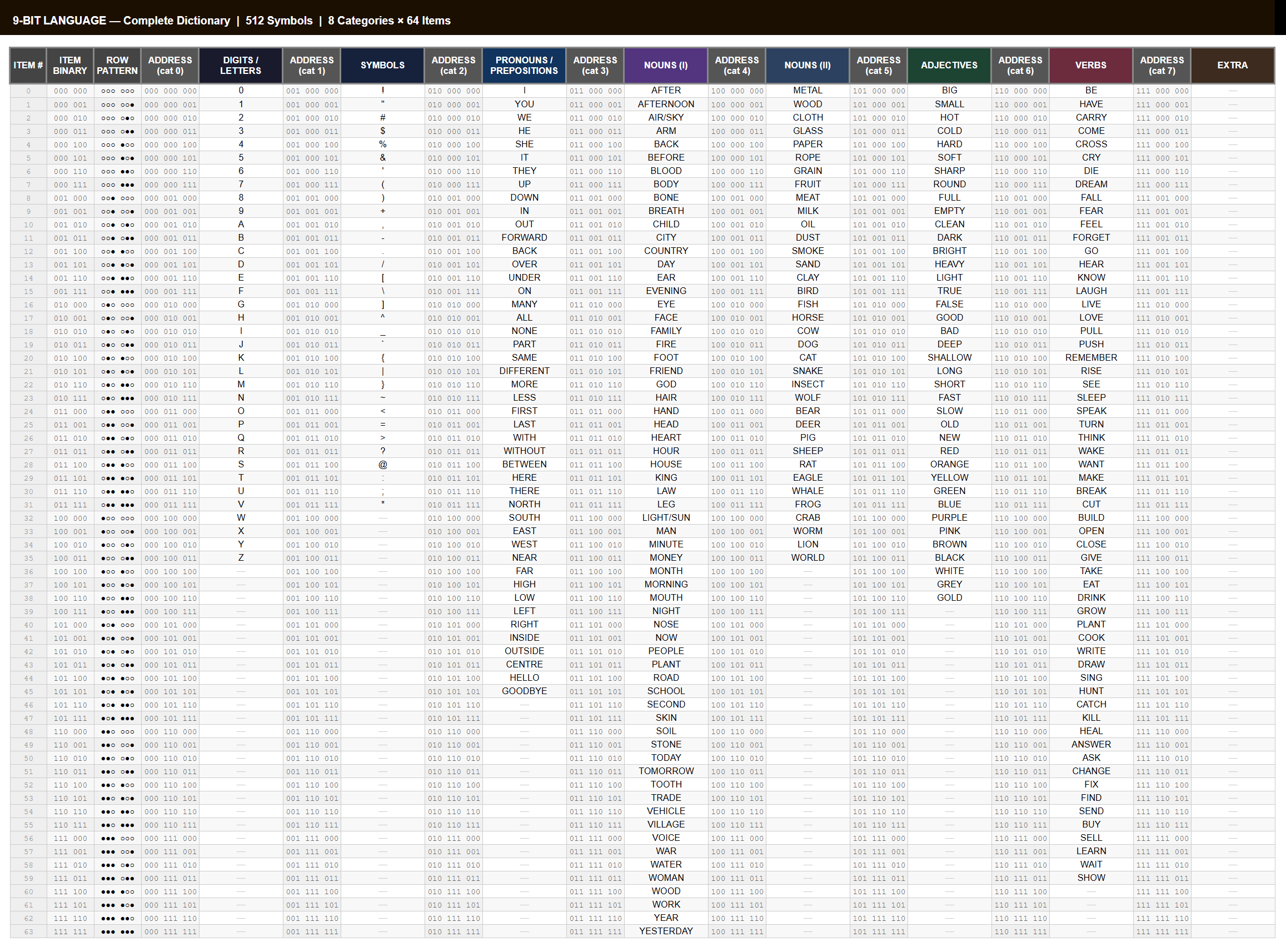
The 9-Bit Language is a universal communication system built on a single 3×3 grid of pixels — each either filled or empty. Nine binary positions. 512 possible combinations. One complete language.
Think of it as what emoji was always trying to be. Everyone has sent 😊 to someone who speaks a different language — it works because meaning is visual and universal. But emoji has no grammar, no numbers, no letters, and no way to express a complex idea. 9-Bit is the upgrade: the same intuitive visual logic, with a complete structured vocabulary behind it. Sky + fire = lightning. Earth + shake = earthquake. Child + school = pupil. One week to learn. One language for everyone.
The symbol is the data — readable by human eyes, fingertips, phone cameras, and computers without any translation layer.
Symbols are learned visually — not because the shape looks like the word, but because distinctive shapes stick, just like your PIN code. Once the pattern is in your fingers, it's in forever. Every time you type a word on the numpad you physically draw it, and your hands remember.
⊞
One Grid
Every number, letter, word and symbol uses the same 3×3 grid. Learn one system. Read everything.
01
Direct Binary
Each symbol is a 9-bit binary number. No encoding step. The visual symbol and the machine data are identical.
⌨
Type it anywhere
Draw symbols on a numeric keypad — the layout matches the grid. Press Enter to confirm. No special hardware needed.
∞
Open Source
No patent. No owner. Propose new compound words freely. A language belongs to everyone who speaks it.
04 — Grammar
Compounds are free
Like Chinese and Japanese, two root symbols combine to form new meaning. Unlike Chinese and Japanese, there is no official list — anyone can make compounds. If people understand it, it works. Language evolves naturally, just like emoji did.
SPEAK + MACHINE
↓
Telephone
06 — The Lineage
Every writing system was trying to solve the same problem
How do we encode meaning so it survives distance and time? Arabic, Chinese, Demotic, Greek, Mongolian — all humanity's best attempts. These photographs were taken at the Chester Beatty Library, Dublin, the afternoon the language was completed.
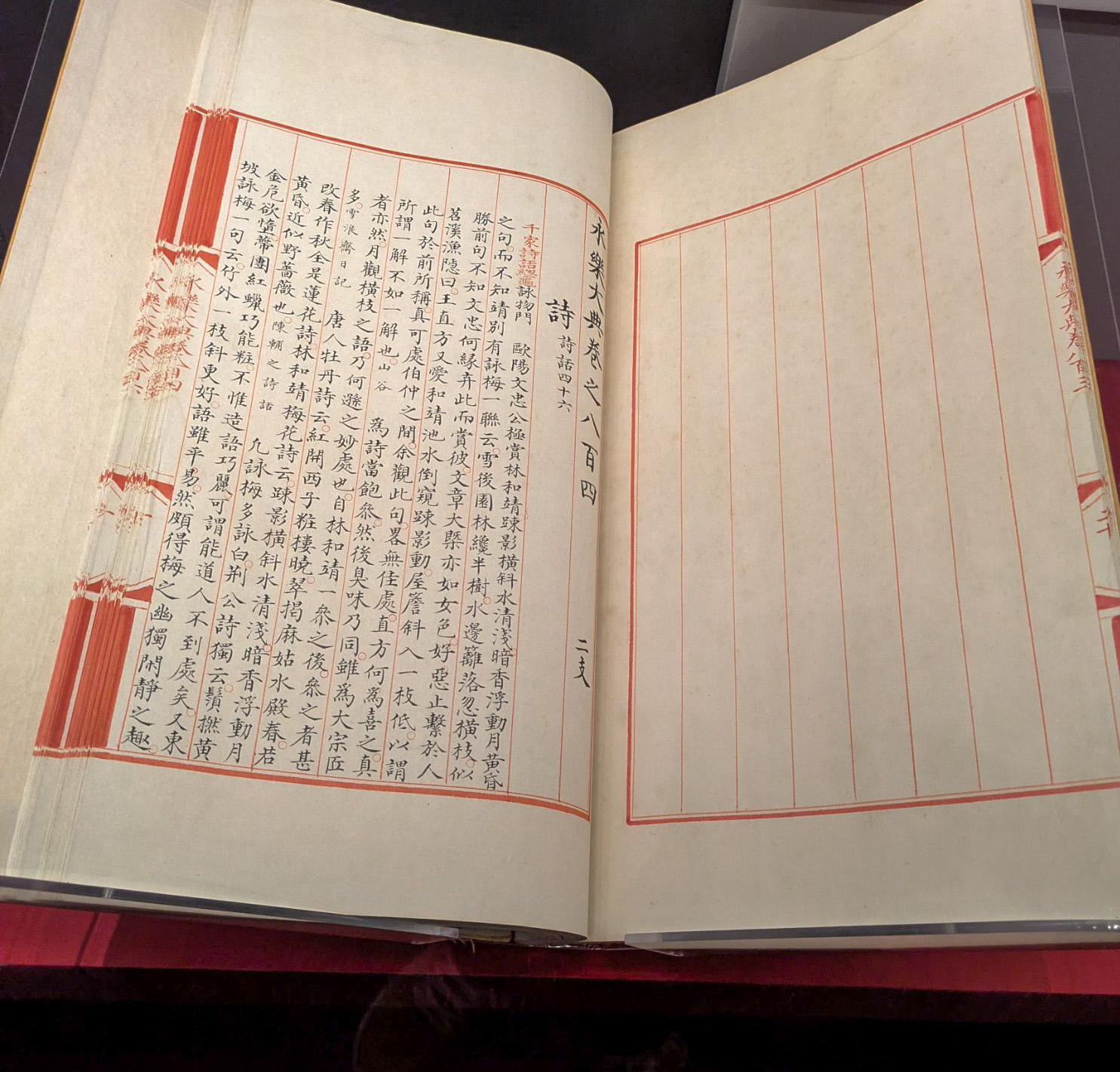
Chinese Imperial Encyclopaedia · Red grid columns, ink on paper
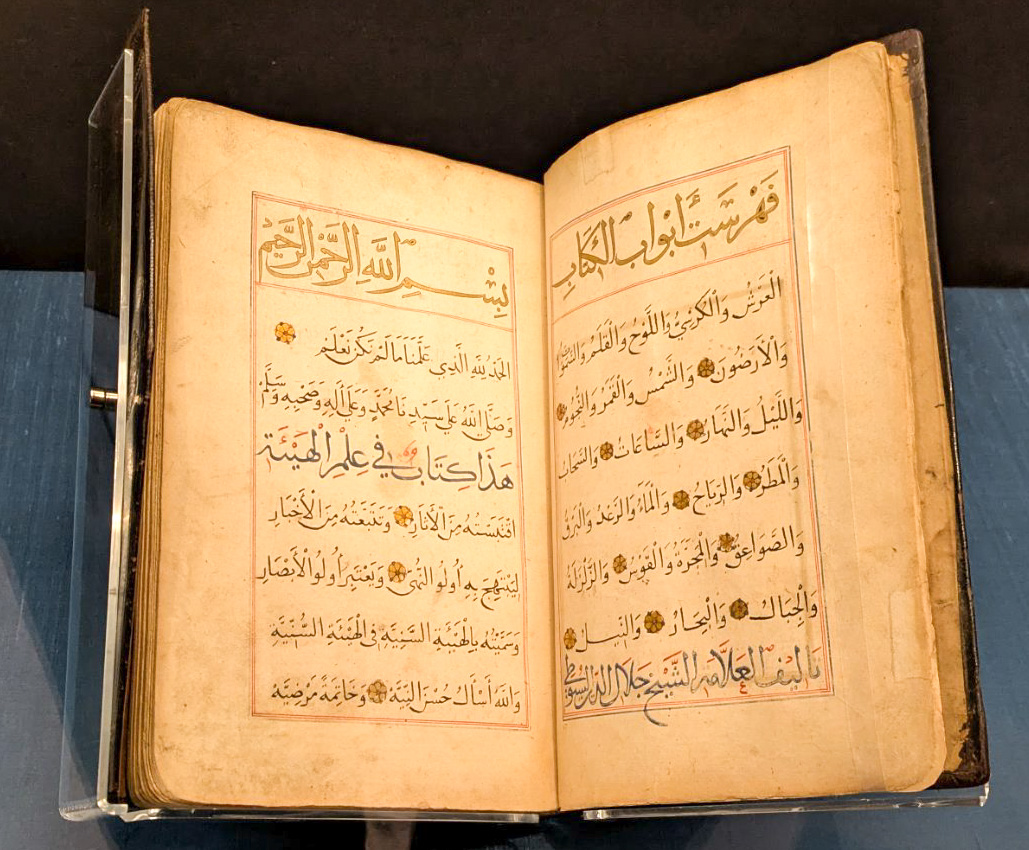
Islamic Cosmology · Cairo, 1500–1515
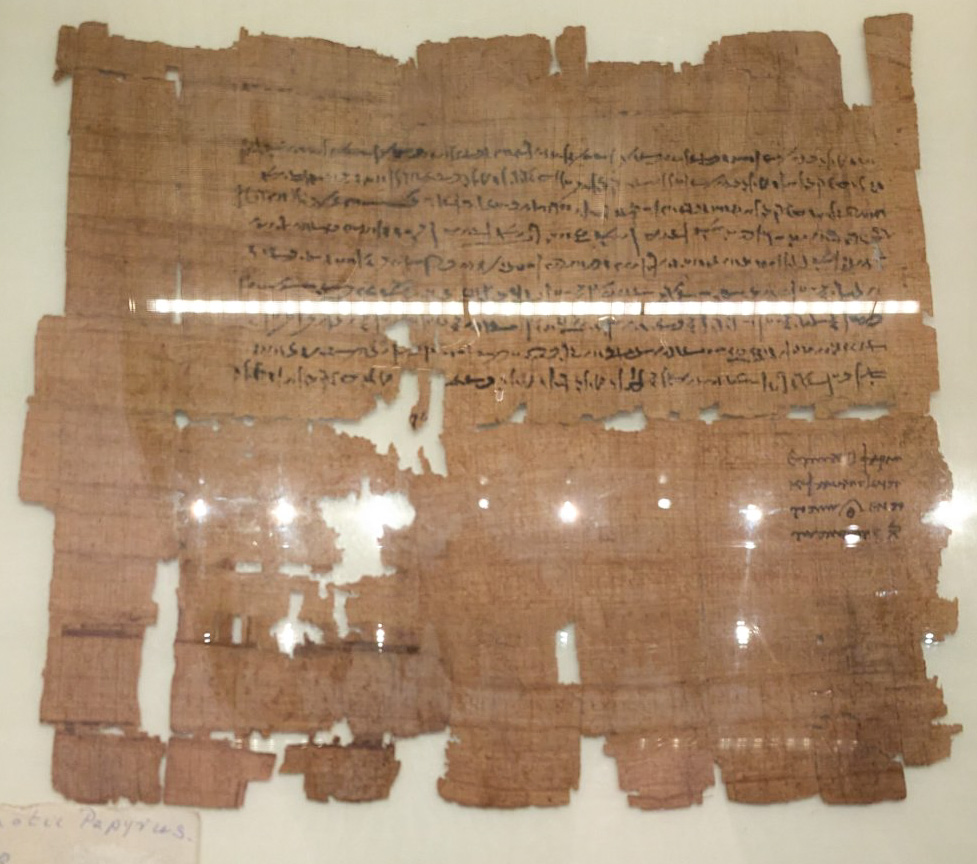
Demotic Papyrus · Egypt, 118 BCE
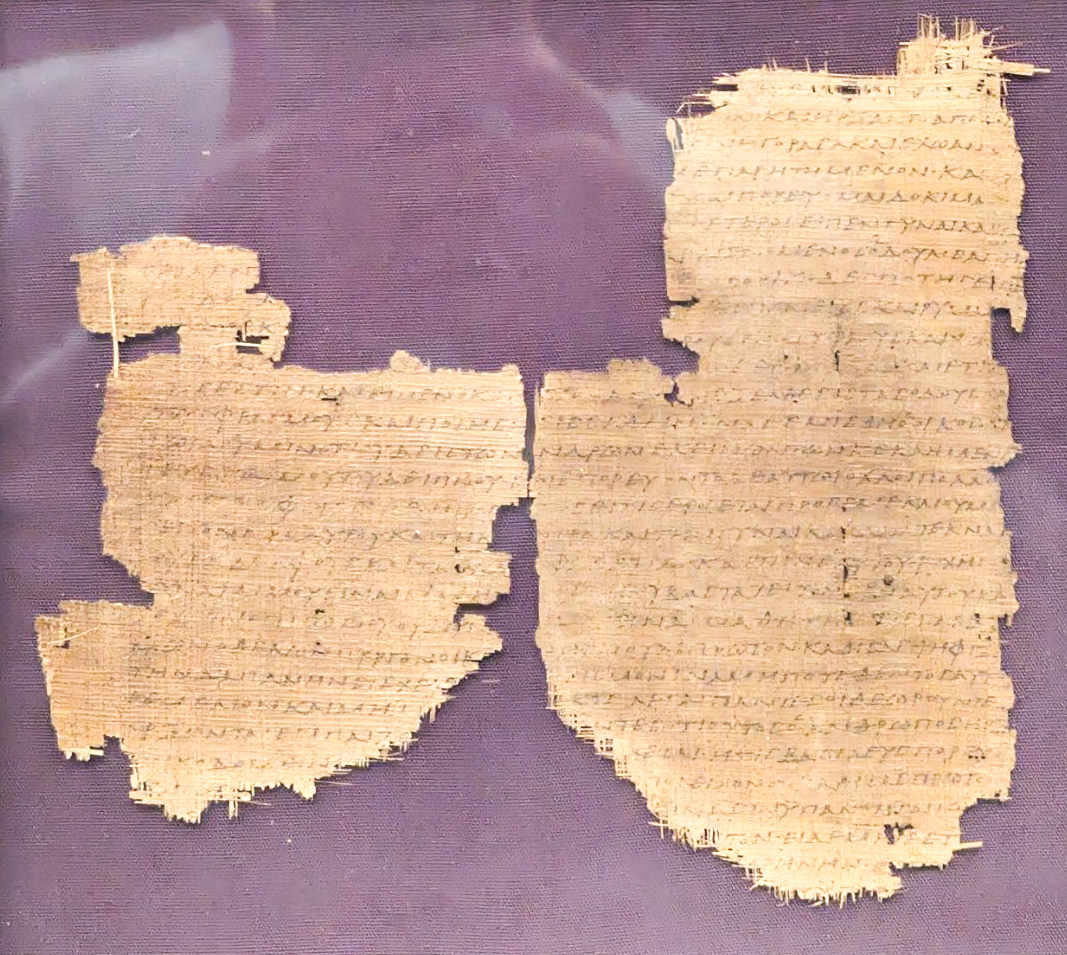
Greek Papyrus Fragments · Still readable, 2,000 years later
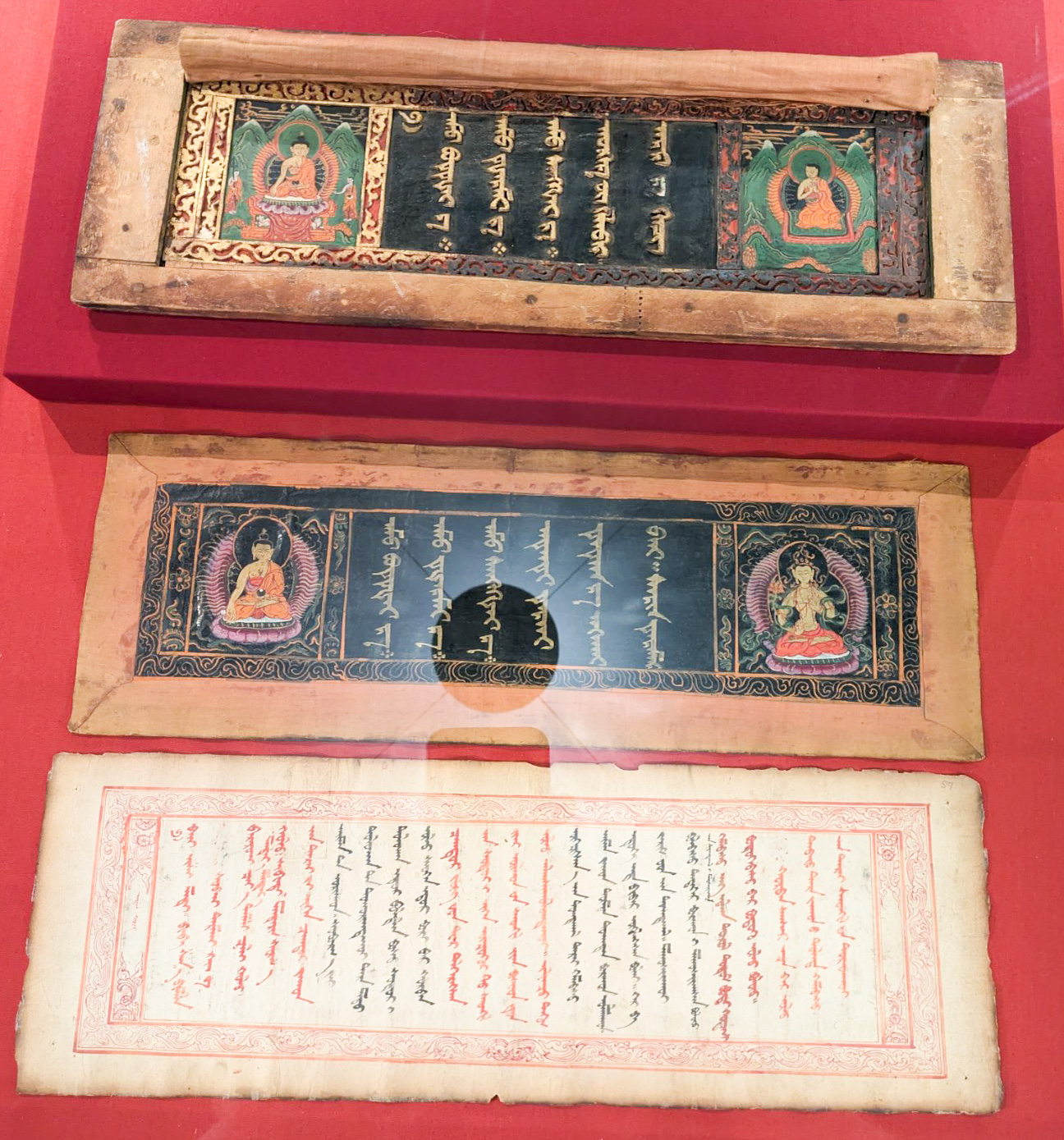
Mongolian Buddhist Sutras · Gold on black · Beijing, after 1708
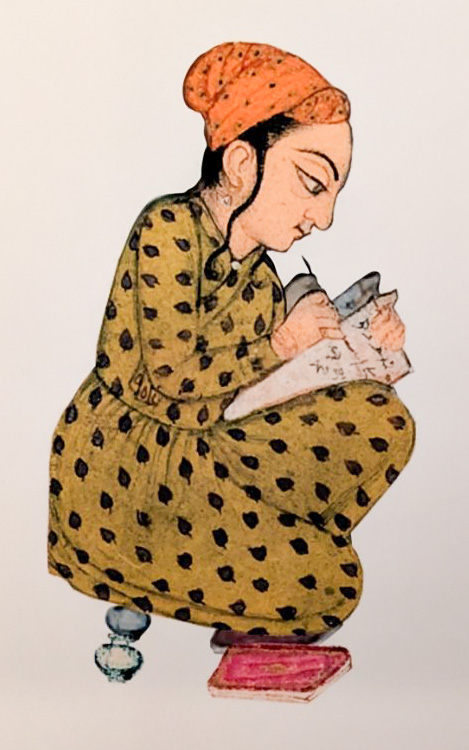
A Mughal Scribe · The original human input device
07 — Historical Context
40,000 years in the making
The 9-Bit Language is the latest expression of the oldest human impulse — making marks that mean something.
~40,000 BCE
The First Tally Marks
Notched bones found in Africa and Europe — the same straight-line logic that would become Roman numerals and eventually binary code.
~3,000 BCE
The I Ching — China
Three lines, each solid or broken. Eight trigrams. Sixty-four hexagrams. Binary notation 3,000 years before computers. 9-Bit extends this from 6 bits to 9, multiplying its expressive power eightfold.
~800 BCE
Roman Numerals
Descended from notches cut into wooden tally sticks. Straight lines because straight lines are what blades make in wood.
~400 CE
Ogham — Ireland
Notches cut into standing stones encoding an alphabet. Found across Ireland — including the National Museum of Archaeology, Dublin, visited the day before 9-Bit was conceived.
1755
Sign Language — Paris
The Abbé de l'Épée proves language needs neither sound nor written symbols. Position in space carries meaning — the same logic as every 9-Bit symbol.
1824
Braille
A 2×3 grid of raised dots encoding the alphabet by position. 64 combinations. The direct ancestor of 9-Bit — same principle, smaller grid.
1948
Shannon's Information Theory
Claude Shannon proves information can be encoded as binary. The 9-Bit Language is Shannon's theory made visible to the human eye.
2026
9-Bit Language — Dublin
Conceived on a Saturday night in Dublin after visiting the National Museum of Archaeology. Starting from Roman numerals. Ending at nine pixels. The same human instinct, 40,000 years later.